
Semiotic Labs: a Webflow build with GSAP and two themes
About the project
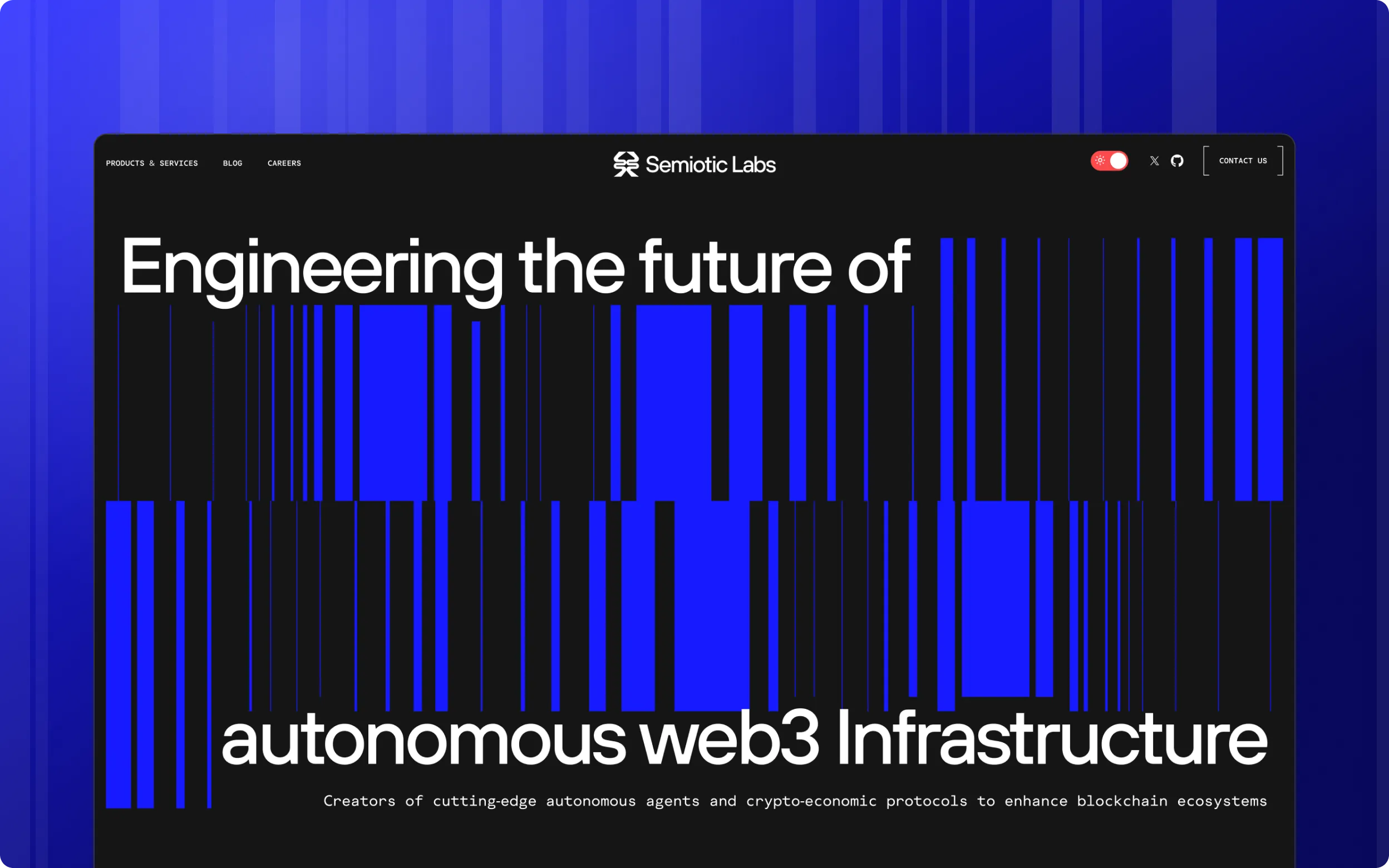
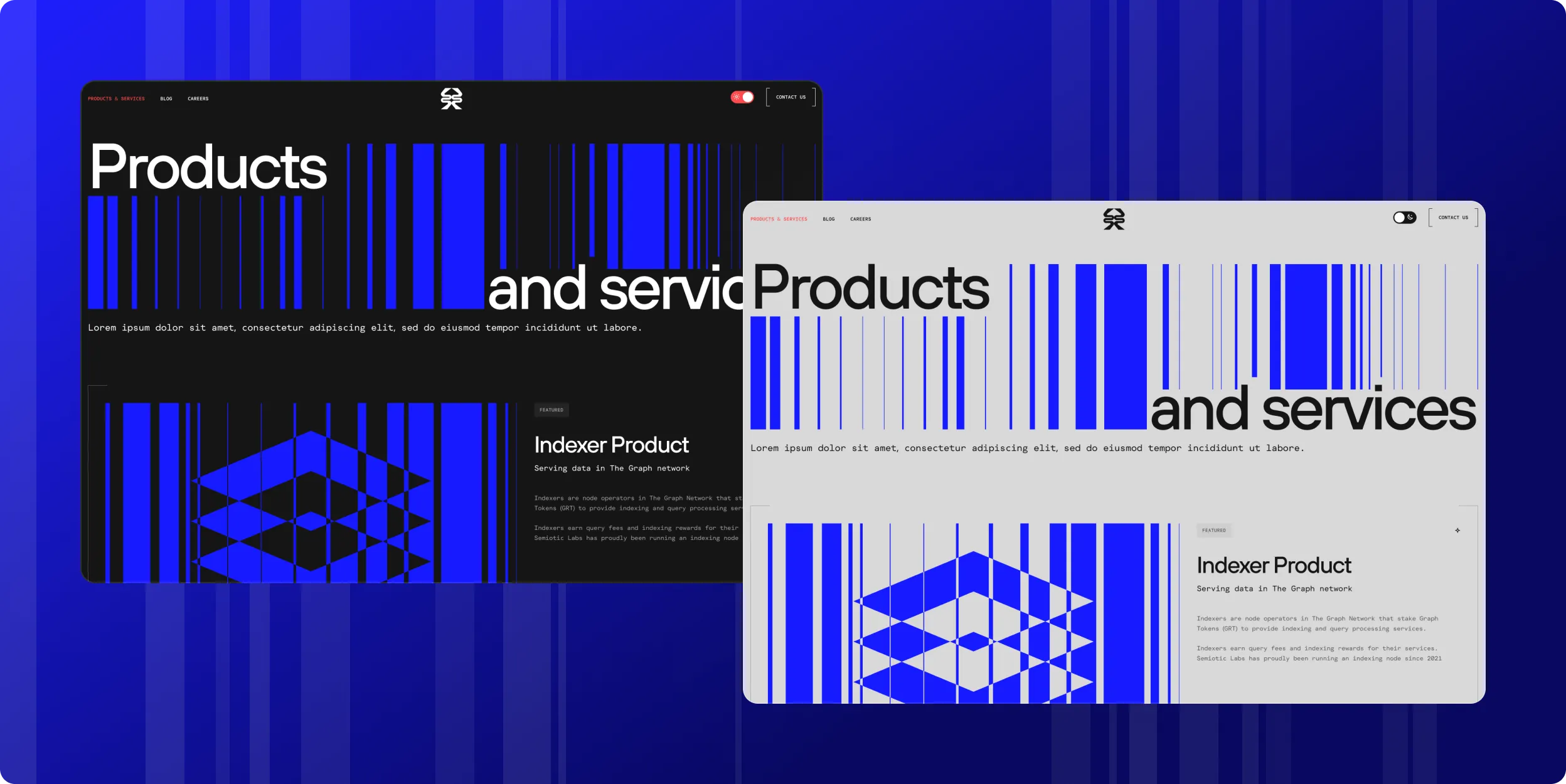
Semiotic Labs provides secure, high-performance infrastructure for the decentralised future. Delphi Design supplied a Figma file for a three-page site that was small in page count and dense in behaviour: custom interactions, filtered CMS content and two color themes. Roman Savchuk turned it into a responsive Webflow build where everything behaves the same way on every page.
Key Takeaways
- Small site, dense behaviour. The work is in the interactions and the theme system, not in the page count.
- GSAP and custom JS. Mouse-based interactions, cursor-follow and hover effects in the hero, and animated page changes.
- Real-time filtering. Finsweet filters the CMS lists on the page as the visitor changes filters.
- One theme system. The dark and light theme is an animated toggle that holds on every page, and performance had to survive all of it.
The shape of the job
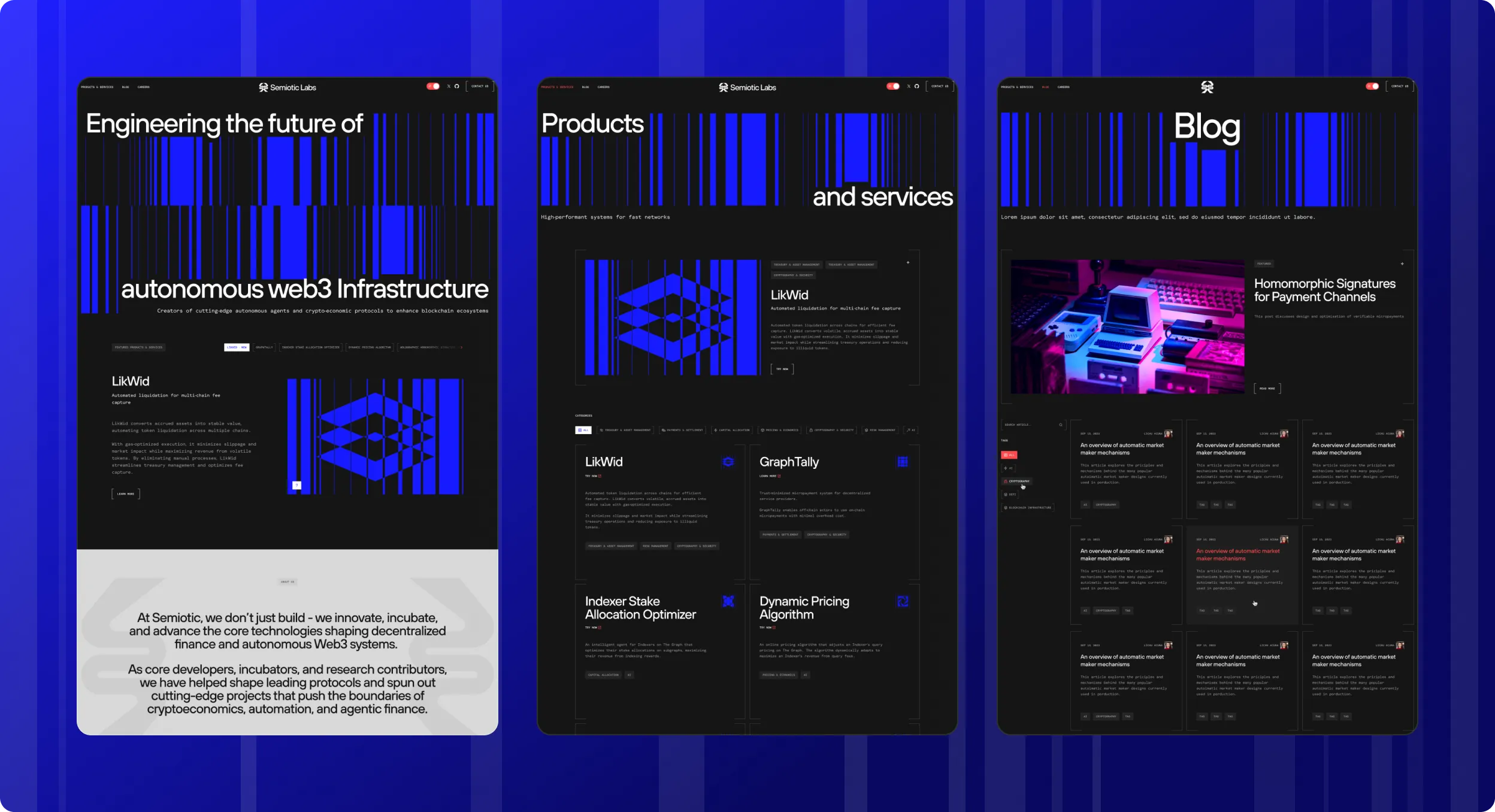
The design came from Delphi Design. It was small in page count and dense in behaviour: custom interactions, filtered CMS content and two themes. A small site makes inconsistency very visible, so the main requirement was that everything behaves the same way on every page.
Pixel-perfect and responsive
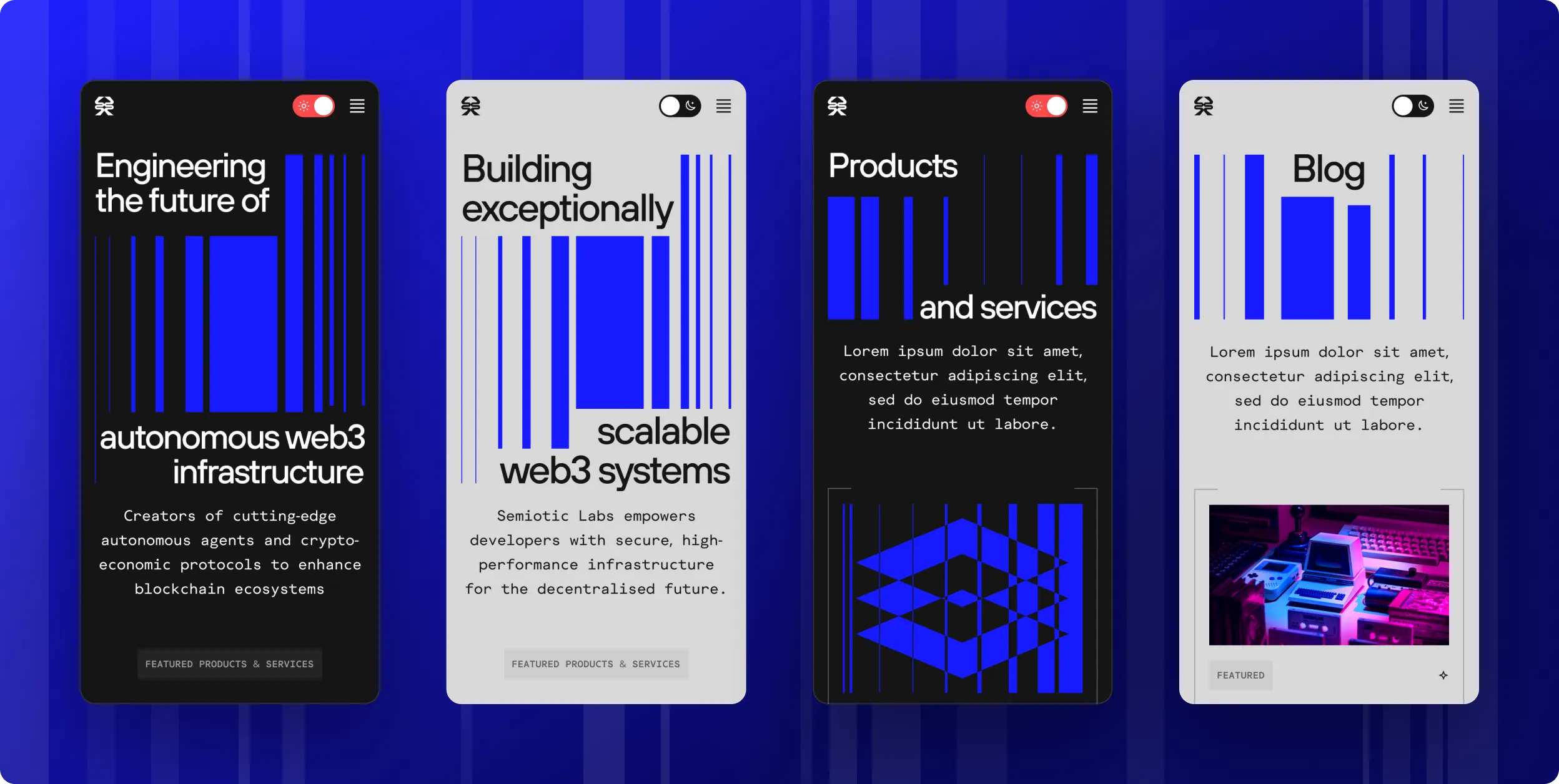
The Figma file became a responsive Webflow build, and I added small creative touches where they served the design. I also sent implementation suggestions along the way, which the client welcomed.
Hero: mouse interactions and cursor effects
In the hero I used GSAP and custom code to tie elements to the mouse, with a cursor-follow effect and hover responses. It is the most dynamic part of the build, so it got the most attention.
Animated page changes and video
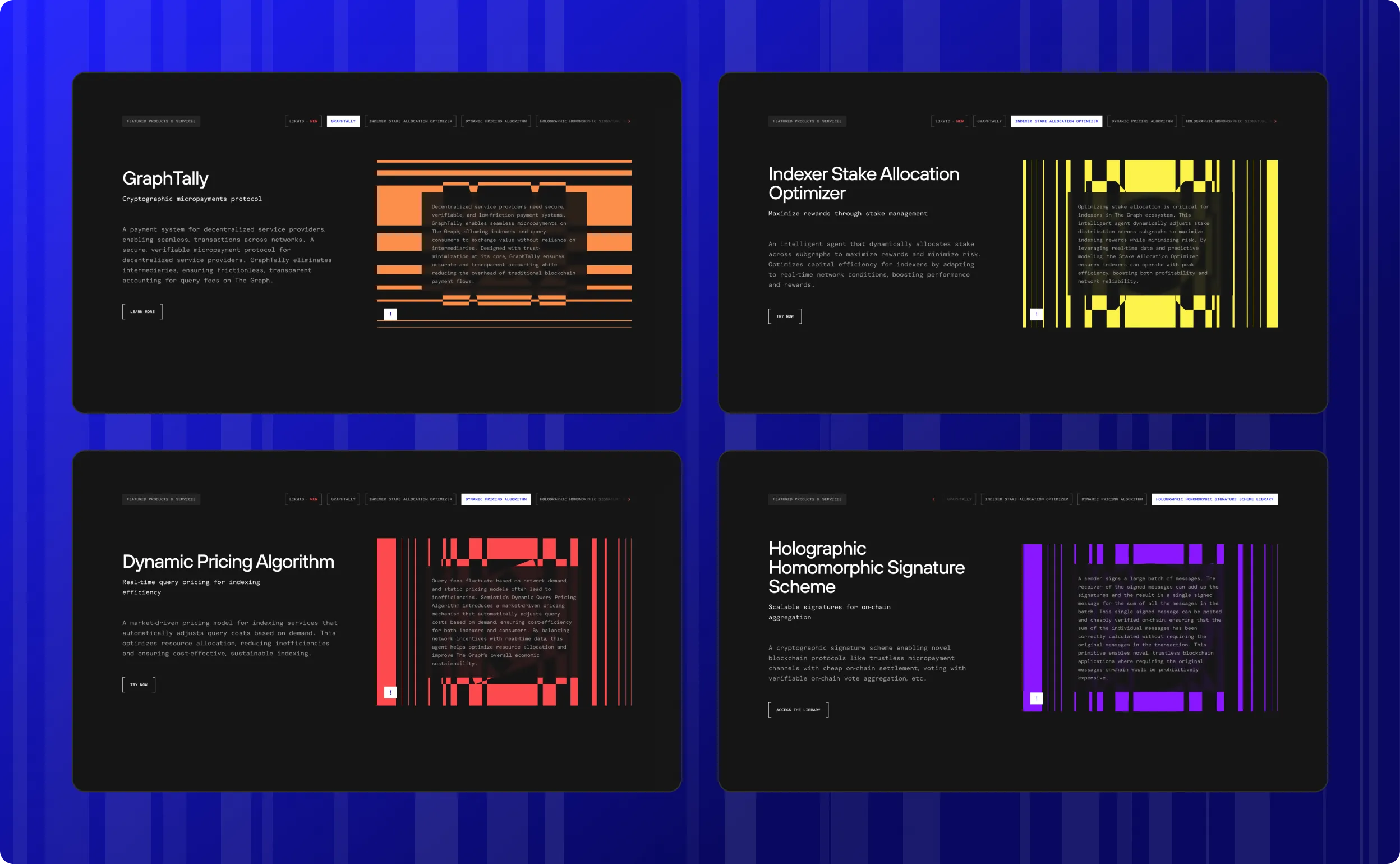
Transitions between pages are animated, and video is built into the pages. For both I watched load and responsiveness, because they are the first things to cost speed.
Finsweet filtering
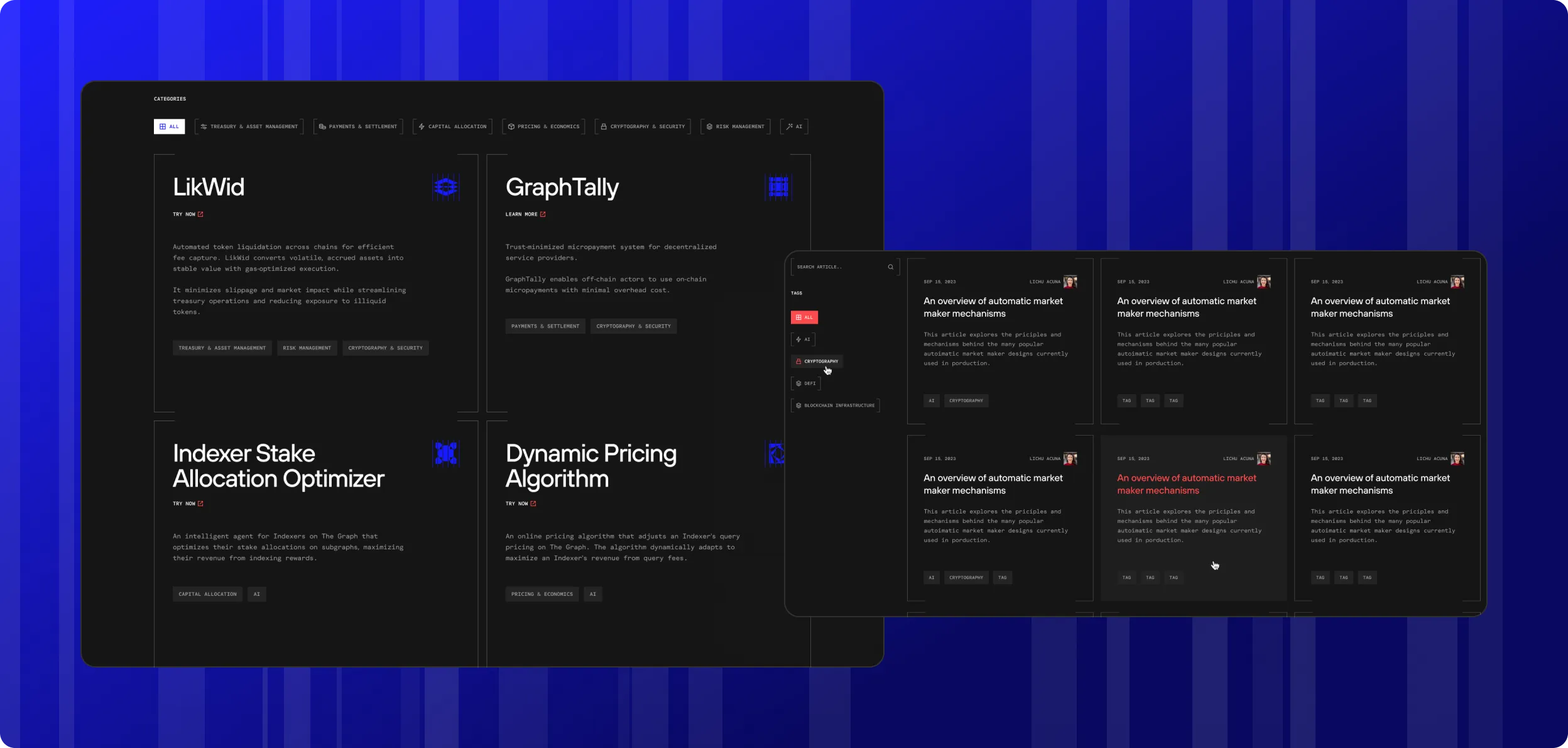
Finsweet handles the filtering: the CMS list updates on the page as filter choices change, on Products and services and on the Blog.
The dark and light theme
The toggle is animated, and the technical requirement is that both modes look right on every page. I treated the theme as a site-wide system and not a per-page patch.
Performance
Many animations make the budget easy to blow, so I wrote them in GSAP and custom JS and tracked performance and responsiveness across devices as I built.
Outcome
The site matches the Figma design, feels fast and responsive and keeps its detail. Delphi Design’s Head of Design, Thaxnay Kapdee, singled out the “efficiency and professionalism” and the “creative flourish” Roman Savchuk brought to the implementation.
Roman was exceptional to work with. His efficiency and professionalism were top notch, and he was able to implement our design into Webflow with a bit of his own creative flourish. He was also very communicative, and provided suggestions and recommendations which were welcomed. We would recommend working with Roman for your webflow project and would work with him again.

FREQUENTLY ASKED QUESTIONS
01How do you implement a dark and light theme in Webflow?

As a system the whole site reads from, so every element has a defined look in both modes, with an animated toggle on top.
02What do GSAP and custom JS add over native Webflow interactions?
Control over mouse-driven behaviour such as a cursor-follow effect.
03How does Finsweet filtering work with the Webflow CMS?
The list updates on the page as the visitor changes filters.
04How do you keep a Webflow site fast with many animations?
Build them with GSAP and custom JS, watch their effect on load and responsiveness, and keep the structure simple.
05Why does a small site need strict consistency?
With few pages, every inconsistency is visible, so shared behaviour and a shared theme system matter more than page count.