
OFFX: motion on a performance budget

About the project
OFFX is a private-markets platform for pre-IPO equity, tokens and fund secondaries, connecting more than 1,000 institutional counterparties. Delphi Design supplied an ambitious Figma file with many pages and a lot of motion. Roman Savchuk built it in Webflow with GSAP, page transitions and a custom video player, and kept performance a constraint on every decision.
Key Takeaways
- Motion planned up front. A Figma file in, many animated Webflow pages out, with motion planned before the build.
- GSAP and page transitions. GSAP and custom JS drive the animation; smooth scroll and page transitions tie the pages together.
- A custom video player. A custom player replaces the default one, so video matches the interface.
- Performance as a budget. Performance was a constraint on every decision, tested across devices and browsers while building.
What I was handed
The design file came from Delphi Design, and it was ambitious: lots of pages, lots of motion and a clear instruction to make it feel exciting. My part was the implementation. The hard question was never whether I could build each effect, but whether all of them could live in one site without making it heavy.
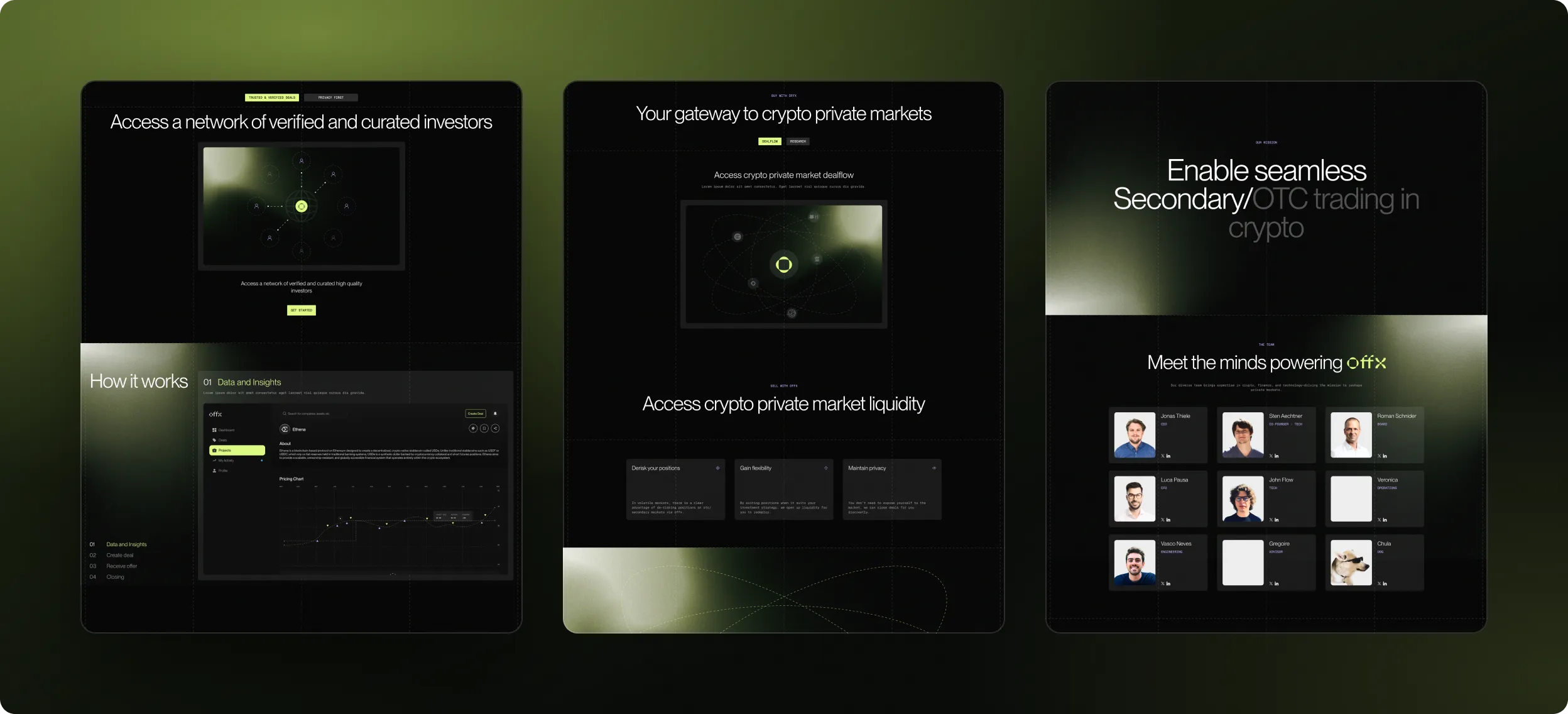
Planning motion before building
Before building pages I mapped the custom animations, from small interface reactions up to full-page transitions. Knowing which effects belong to the same family let me reuse timing and logic across the site, so the code stays small and consistent.
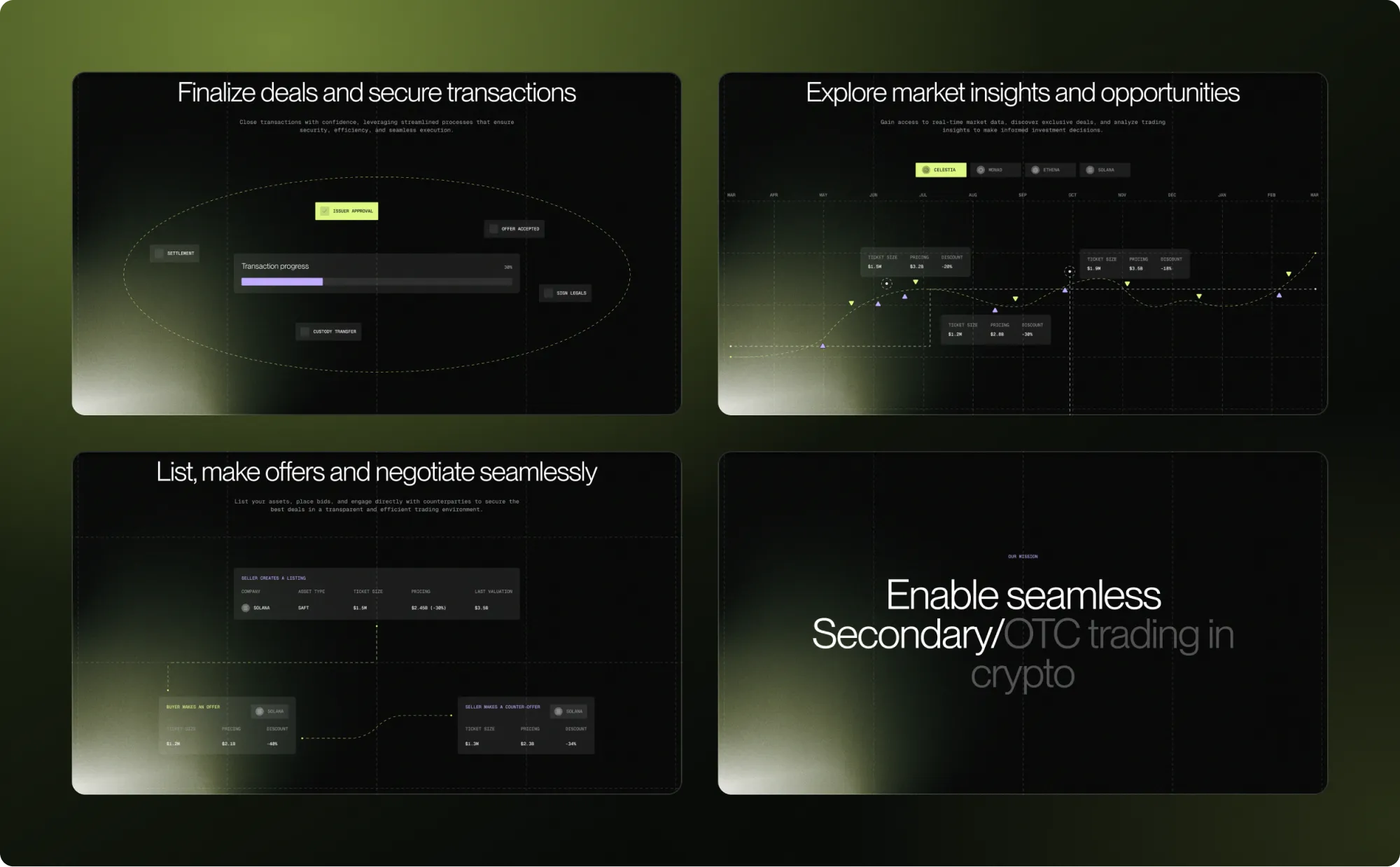
GSAP, custom JS and smooth scroll
The animation layer runs on GSAP and custom JavaScript, which suits sequenced motion better than native interactions alone. Smooth scroll and page transitions sit above it and connect the pages.
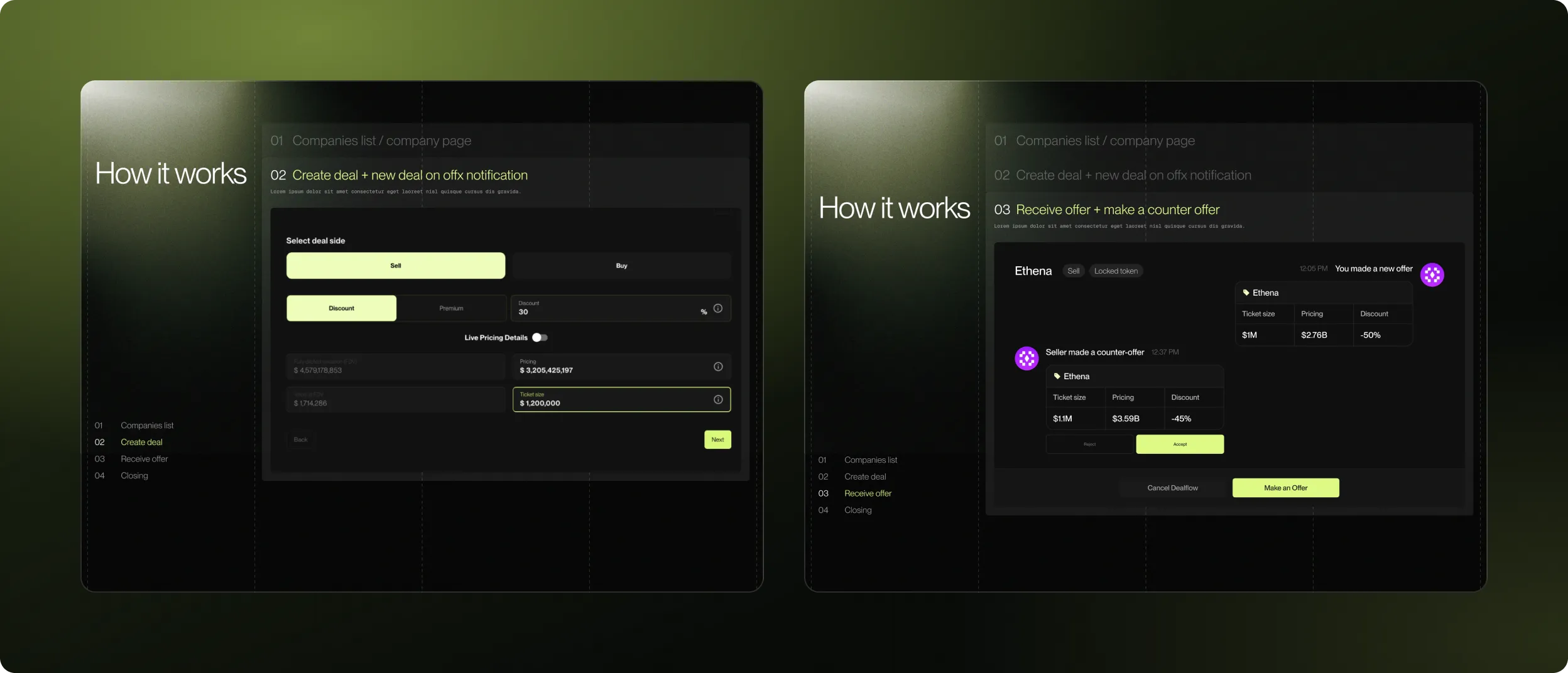
A custom video player
The video controls are my own component, styled to match the interface. It is a small piece of front-end work, and it removes the one element that would otherwise look foreign to the rest of the design.
Keeping it fast across screens
Heavy motion costs different amounts on different screens, so layouts and animation were handled together and tuned continuously during the build, not left for the end. I tested in several browsers and on several devices as I went.
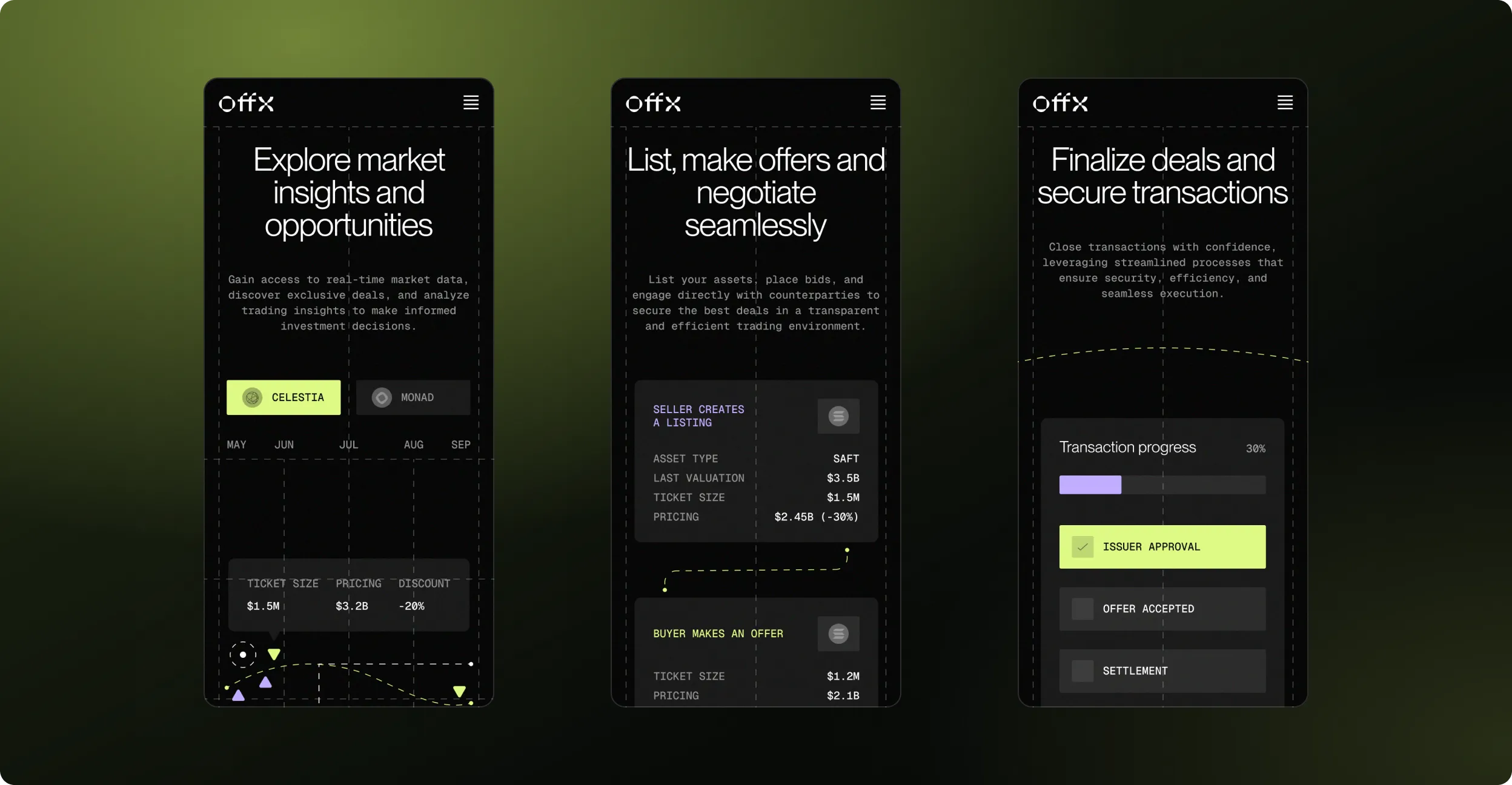
Outcome
The site shipped as a fast, polished and interactive build. Delphi Design’s Head of Design, Thaxnay Kapdee, wrote that working with Roman Savchuk was “a dream for any manager or project owner”.
Working with Roman is a dream for any manager or project owner, he is swift, capable, creative and knows how to get the job done in style. Thank you Roman for making it so easy for us!

FREQUENTLY ASKED QUESTIONS
01How do you animate dozens of Webflow pages without a performance hit?

By planning the motion up front, sharing timing logic between effects, and testing on real devices and browsers while building.
02When is GSAP a better choice than native Webflow interactions?
For heavier, sequenced animation where more control is needed. I used GSAP with custom JS for that layer on OFFX.
03What is the cost of writing a video player yourself?
A bit of extra front-end code, in return for controls that match the interface exactly.
04How do you work from another team’s Figma file?
I treat it as the source of truth for look and motion, and build the Webflow structure, the animation layer and the speed tuning around it.
05When should performance be checked on an animation-heavy site?
Continuously, from the first animated page, because retrofitting speed onto finished motion is much harder.