
A complex, flexible Webflow CMS with filtering, components and schema markup: building Layla's large site
About the project
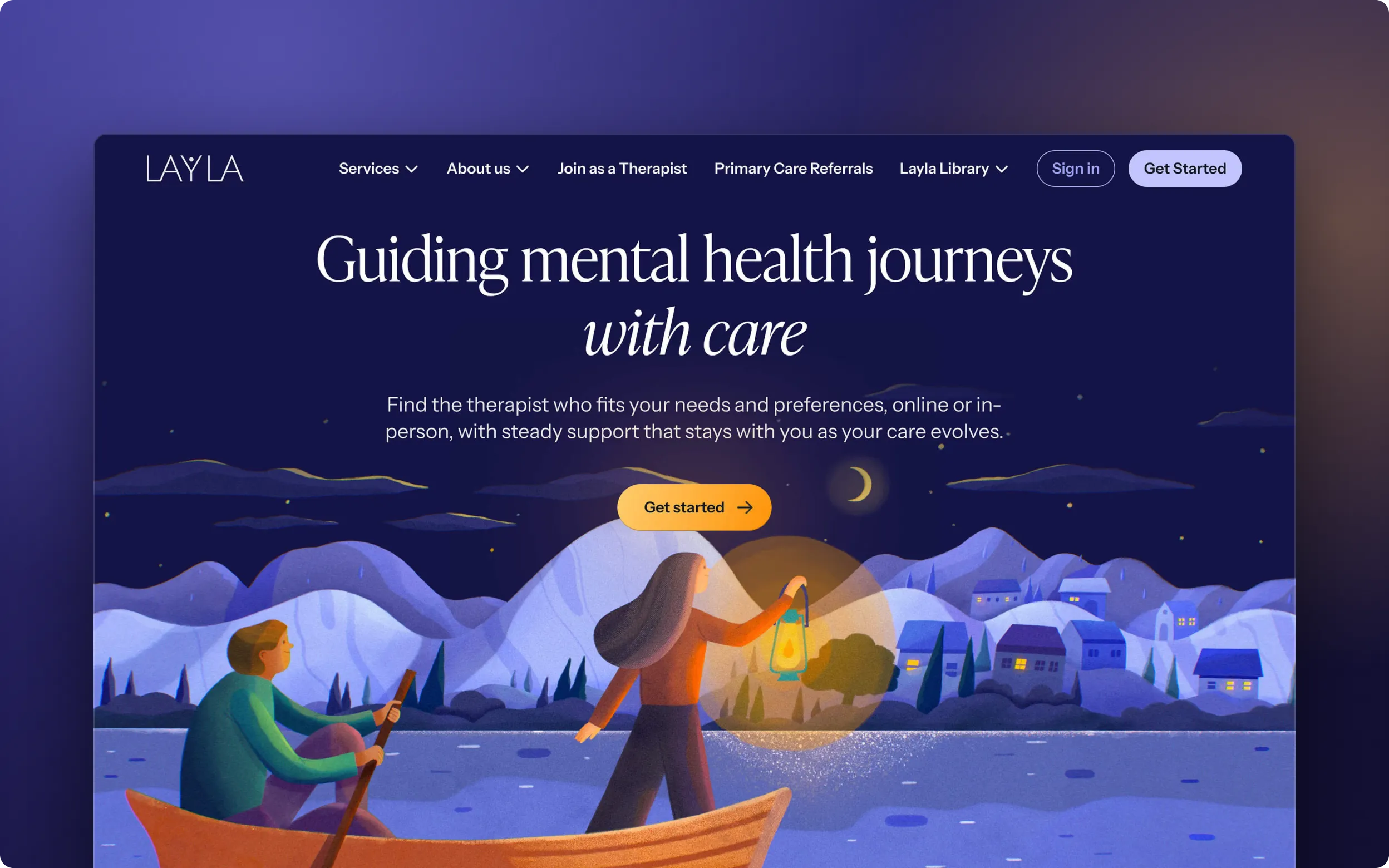
Layla guides people to the therapist who fits their needs. Layla supplied the design and illustrations, and the scope was a big website. The risk I cared about most was not any single page, but what happens a year later when a marketing team has edited the site for months. That shaped the technical decisions from the start.
Key Takeaways
- Upkeep that does not grow. The goal was a large site whose upkeep does not grow with its size, so everything is built from reusable parts.
- Flexible CMS with filtering. The content library runs on a complex but flexible CMS with relationships and Finsweet filtering, with layouts driven by CMS fields.
- SEO and accessibility built in. Schema markup, SEO best practices, accessibility fundamentals and optimized assets were part of the build.
- Calm motion, ongoing support. Animation is deliberately calm, and I kept supporting the site after launch.
Component-based structure
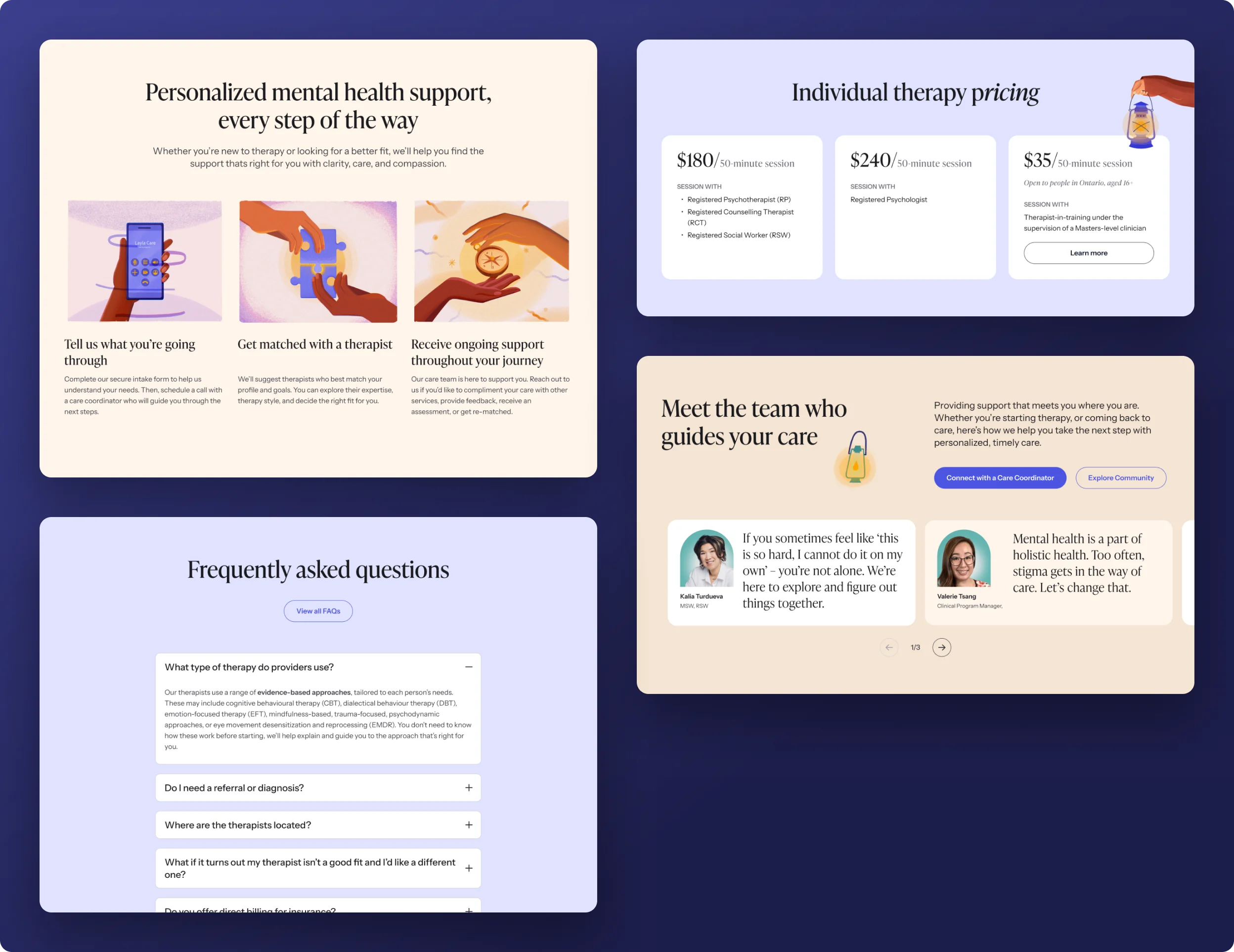
The site is built on variable components plus global elements. A variable component lets a block change its content or appearance while keeping a single definition, so one fix reaches every page that uses it.
A complex, flexible CMS with Finsweet filtering
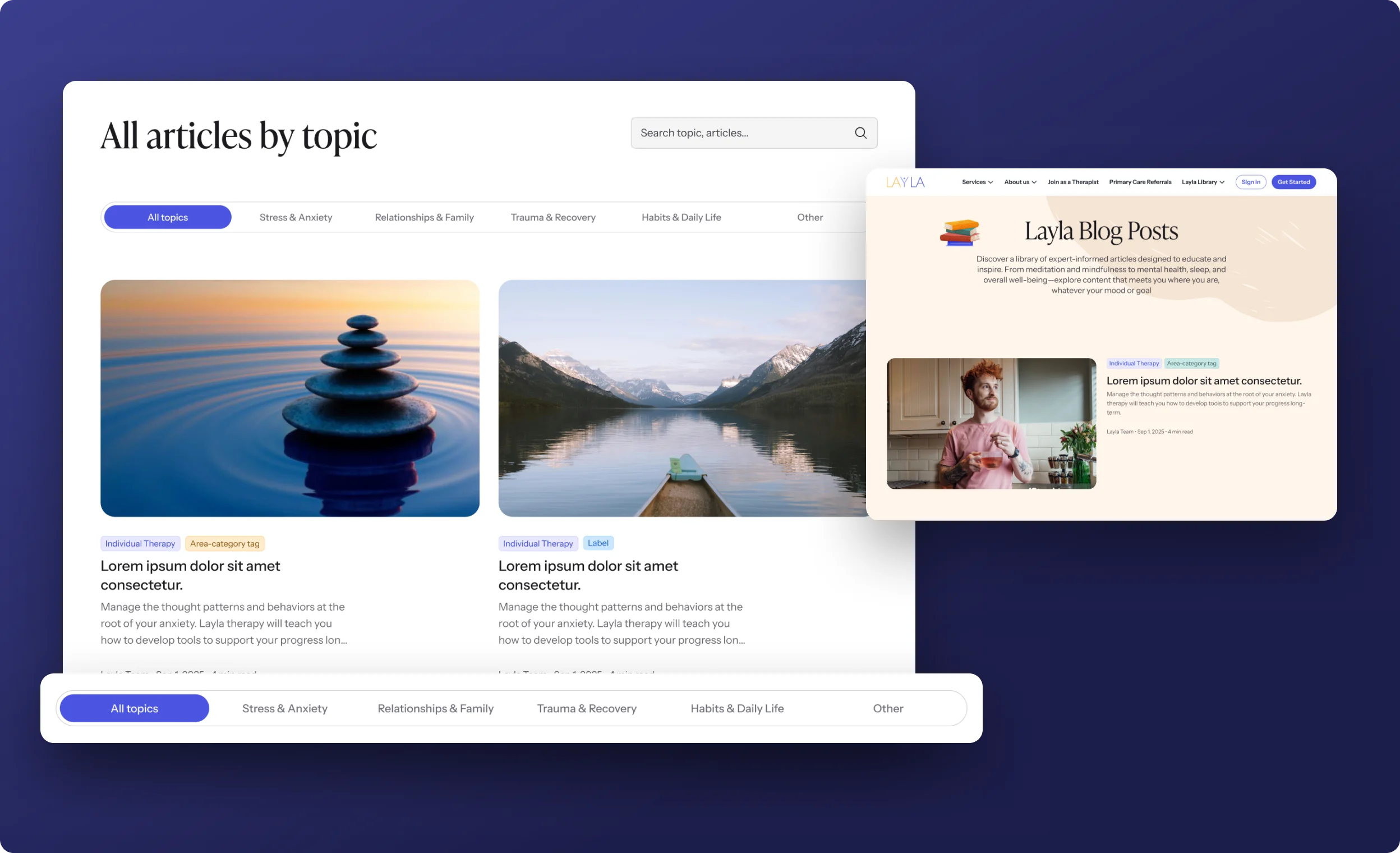
The CMS is the heaviest part of the build and the one I spent the most time configuring. Collections are linked by relationships, Finsweet provides the filtering on top, and template layouts are bound to CMS fields, so every item renders through the same structure. The result is flexible: new content types and items fit into the existing setup instead of forcing a rebuild, and editors still only fill in fields.
Schema markup and SEO
On the technical side I looked after page weight and document structure, followed SEO best practices and added schema markup, so crawlers get an explicit description of the page instead of having to infer one.
Accessibility
Accessibility was part of development: I implemented the fundamentals while building the components, so they carry into every page that uses them.
Calm animation and performance
Animation is subtle and calm, a thin layer on top of the structure, which keeps the pages light. Performance was tuned alongside the components so the size of the site does not turn into slow pages.
Ongoing support
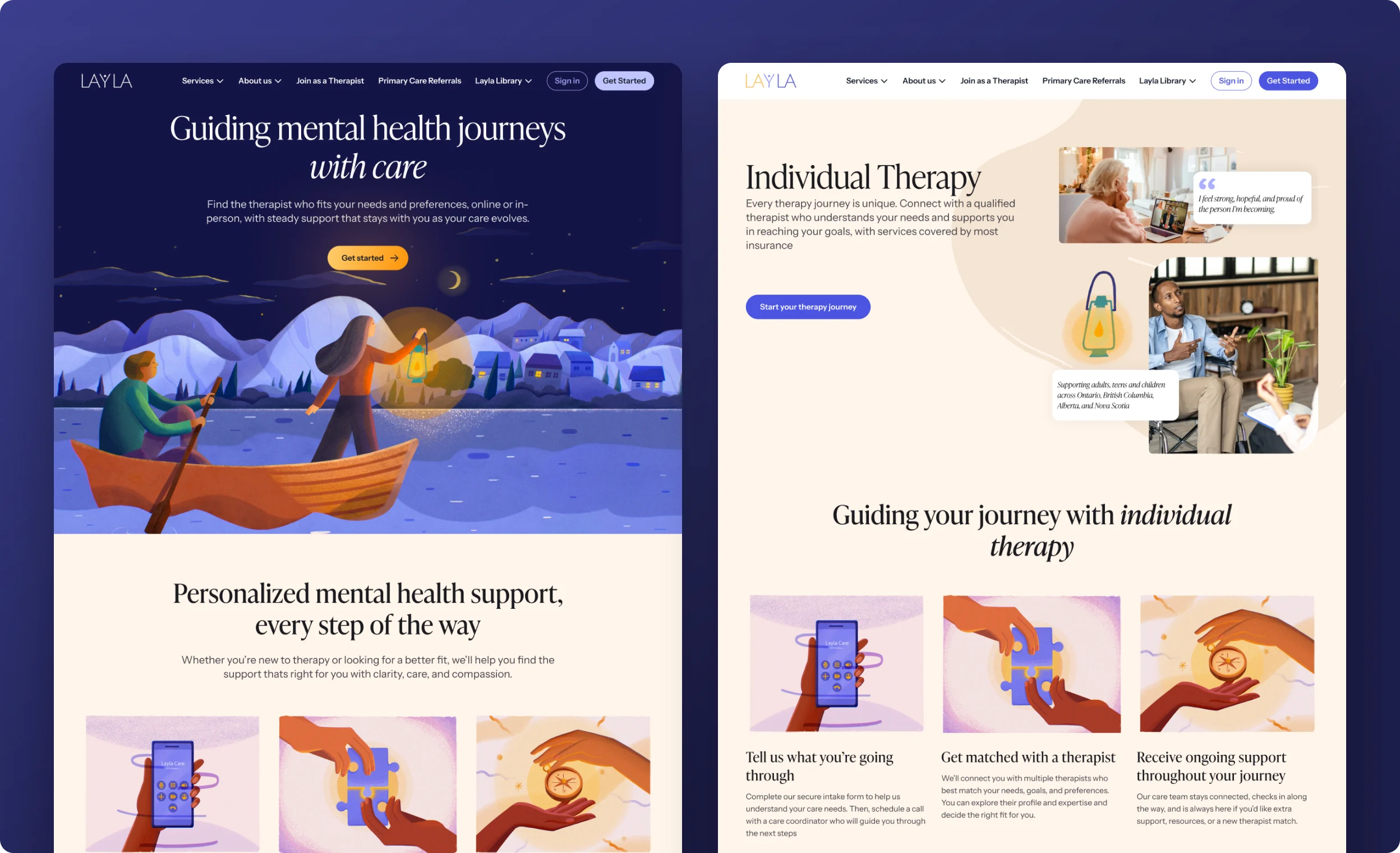
Roman Savchuk continues to work on the site after launch, which is where a component-based structure pays back: new requests become small changes to existing parts.
Outcome
The result is a fast, scalable site that is easy to manage and supports long-term growth. Layla's Head of Engagement and Collaborations noted that Roman Savchuk often catches and solves things “before they even became problems”.
Roman’s been great to work with. Super detail-oriented and always thinking a few steps ahead – he’s caught and solved things before they even became problems more times than I can count. He’s really communicative, easy to collaborate with, and consistently delivers on time (often early). I’d recommend him to anyone, no question.

FREQUENTLY ASKED QUESTIONS
01How do you keep a large Webflow site maintainable?

Variable components and global elements: one definition, many pages, one place to change.
02How do you build advanced filtering for a Webflow CMS?
Configure the collections with clear relationships, then add Finsweet filtering on top of them.
03Why bind layouts to CMS fields?
Every item renders through the same structure, so editors enter content and nothing else.
04What does accessibility work cover on a build like this?
Accessibility fundamentals applied during development, alongside performance and SEO work.
05What does schema markup give a content-heavy site?
A clear, structured description of each page for search engines.